The CERMA project (Center of Excellence for Environmental Risk Management) is a three-year transnational initiative that brings together six universities and innovation partners to confront the growing threats of floods, droughts and water scarcity across Europe. Funded under European Union frameworks, CERMA will develop integrated environmental risk assessment and hydrological modelling tools, modernise curricula and lifelong learning pathways, and translate research into practical guidance for policy-makers and communities.
CERMA’s consortium is coordinated by the Technical University of Košice (Slovakia) and includes the University Babes-Bolyai of Cluj Napioca (Romania), the University of “Mikolaja Kopernika” of Torun (Poland), University of Lisbon (Portugal), University of Nis (Serbia) and the SME Sustainable Innovation Technology Services (Ireland).
“CERMA is about turning rigorous science into tangible resilience”, said Dr. Martina Nováková, CERMA Project Coordinator at the Technical University of Košice. “By combining advanced hydrological modelling with curriculum reform and stakeholder engagement, we aim to give educators, planners and local communities the tools they need to anticipate and manage water-related risks”.
Key objectives of CERMA include:
- Developing interoperable tools for flood, drought and water scarcity assessment that support forecasting and local decision-making.
- Modernising higher education and lifelong learning to mainstream hydrological risk management skills among students, teachers and practitioners.
- Promoting cross-border knowledge exchange and policy uptake so that scientific insight leads to community-level action.
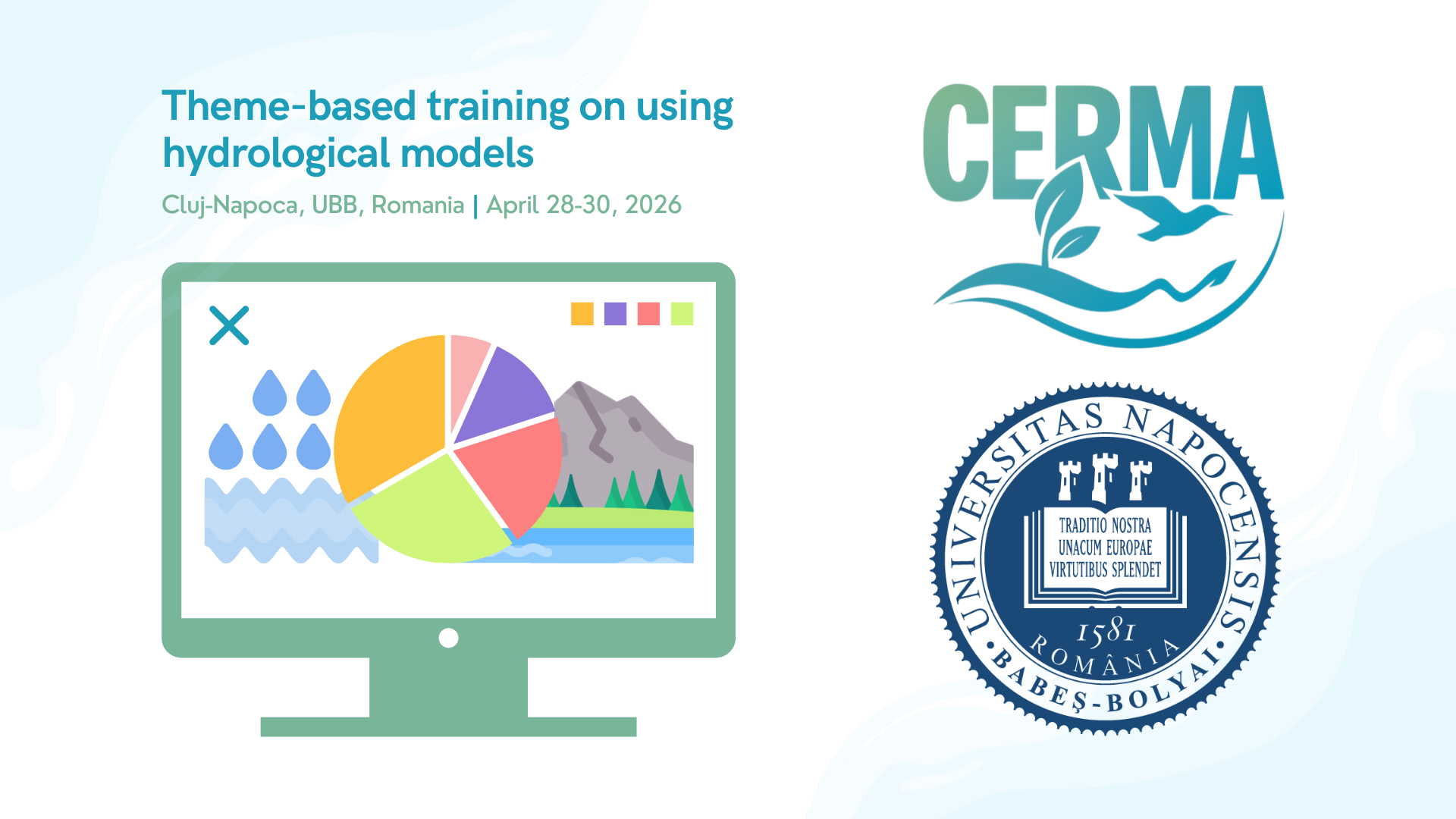
Over the next three years CERMA will deliver pilots, training modules, policy briefs and public outreach activities, including workshops and webinars targeted at educators, municipal planners and emergency responders. The project will also publish open-source datasets and teaching materials to support long-term capacity building across European higher education institutions.